

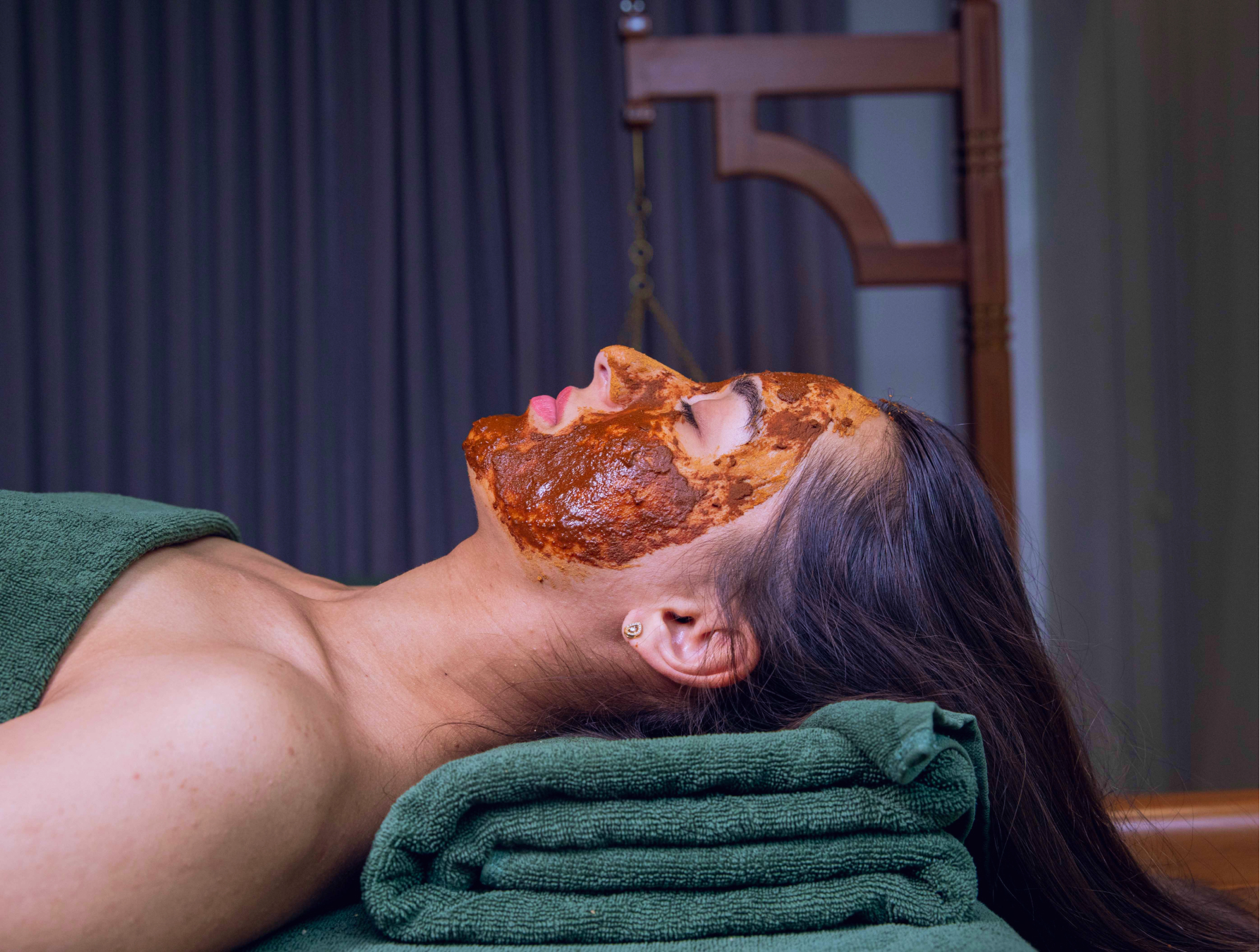
Ayurveda, the 5000-year-old system of medicine, has always been a supporter of beauty in human skin. This ancient science respects the individuality of every living being; its principles are based on inclusivity. According to Ayurveda, our body is made up of panchamahabhutas and inside it resides the three bio-energies - the Vata, the Pitta and the Kapha, known collectively as the Doshas. The disparity in Dosha levels can imbalance health and affect multiple systems of the body simultaneously. This is true for skin, too. In other words, our skin is an indicator of our overall health and well-being.
Skin - through an Ayurvedic glass
Your skin is different at different times. It evolves from time to time, and Ayurveda addresses this as the mischief of the three Doshas. When a person is young, the Kapha will be his/her predominant Dosha. The baby's skin is characterised by smoothness, suppleness and oiliness. The Pitta becomes the predominant Dosha when a person embraces the next stage of life. This is the stage where the person is more prone to hormonal changes causingacne, dryness/oil build-up, rashes, blemishes, etc. After a few decades, the Vata takes over making the skin wrinkly, pale and hyper-pigmented. The same changes happen in skin over seasons or the ritu as they are called in Ayurveda. The Vata gets aggravated on varsha ritu (rainy season), the Pitta in sarath (autumn season) and the Kapha in vasantha (spring); corresponding effects can be seen in those times too.
Finding your skin type
Ayurveda perceives each person based on their physiological doshik status. The owner’s physical constitution is determined even before his/her birth is, and this is what we call Prakriti. Prakriti is based on the normal state of Doshas in the human body; that is, one that is not caused by seasonal changes or aging but by how the Doshas exist in your body physiologically. The Vata will be naturally heightened in some people while Pitta dominates in others. Some bodies are normally high in the Kapha. The reflections of these Doshas can be seen on one’s skin.
● The Vata-dominated skin: cold to touch, very dry, flaky, uneven, easily cracking, prone to wrinkles, with fine lines and ages quickly. Needs more moisturising and hydration.
● The Pitta-dominated skin: warm to touch, reddish, sweaty, sensitive, tanned, acne-prone and vulnerable to infections and prickly heat. Demands a cooling skincare routine.
● The Kapha-dominated skin: cold to touch, prone to itching, oily, prone to formation of pimples and to clogged pores. Requires a purifying skincare.
How to take care of the Vatik skin
The Vata-dominant skin demands considerable time as it is not easy to calm the skin irritated by Vata Dosha. Let us give you two keywords: hydrating and moisturising. Imagine the Vata as a wind – the kind that can make your skin dry, cracked and rough. The only way to get rid of these symptoms is to pump in some moisture. Abhyanga or oil massage is the method for anointing the body with medicated oils. The touch of oil can go beyond the skin: it permeates the mind too. It can be done locally or on the whole body. Being meant to pacify the Vata mainly, Abhyanga is also beneficial for the body and mind - in different ways.
Different oils like Nalpamaradi keram, Eladi keram or even plain coconut oil can be used for Abhyanga. Face washes will be best rather than face scrubs as the latter can be a bit too much for the sensitive Vatik skin. The Organic Aloe Vera gel is a better option.
How to take care of the “Paittik” skin
The “Pittik” skin is a hothead and so it needs a healthy dose of cooling. Aloe Vera, jasmine, rose water, sandalwood and turmeric are the common coolants that help reduce the overheating of the skin caused by the Pitta. Bath twice a day since this type of skin is more vulnerable to sweat and greasing. Extracts and essential oils of the cooling herbs such as mint, jasmine, lemongrass, lavender, vetiver, etc can be added to the bathwater. They restore energy, remove body odour and cool the Pitta down. Cleanse and moisturise your skin using mild agents as the “Paittik” skin is sensitive.
How to take care of the Kaphaja skin
This skin type requires exfoliation. As the Kapha-dominated skin is more vulnerable to pimples and clogged pores, a thorough scrubbing might benefit it. ‘Oily’ is the term that is always associated with the Kaphaja skin, and getting rid of this sebum is the prime concern when it comes to taking care of such skin. Washing your face at regular intervals can check the oil build-up to an extent. Cleansers like clay can be applied to the skin and washed afterward. Udvartana or a powder massage is suitable for such skin.
Some skin-friendly advice:
● Drink plenty of water. Your skin also needs hydration
● Prefer skin-friendly food - overconsumption oil can mess with your skin. So prefer salads and fruits for munching over baked and fried stuff
● Limit caffeine and alcohol as they can dry up your skin
● Regulate the sleep routine
● Practice yoga and breathing exercises like Pranayama. They give you peace and clarity of mind, which can, in turn, boost the glow of your skin
These can be confusing to some of you. Incorporating Ayurveda into your lifestyle can seem like a big step, but fret not! Shabran Wellbeing Resort is there to guide you into the world of Ayurveda.